
Tools for Architects and Developers
By optimizing your structural profile, you save 250mm per floor. Over your 12-storey project, you regain 3 meters of vertical space—effectively giving you 1 Extra Rentable Floor for free. Let us review your cross-sections to find your hidden space.


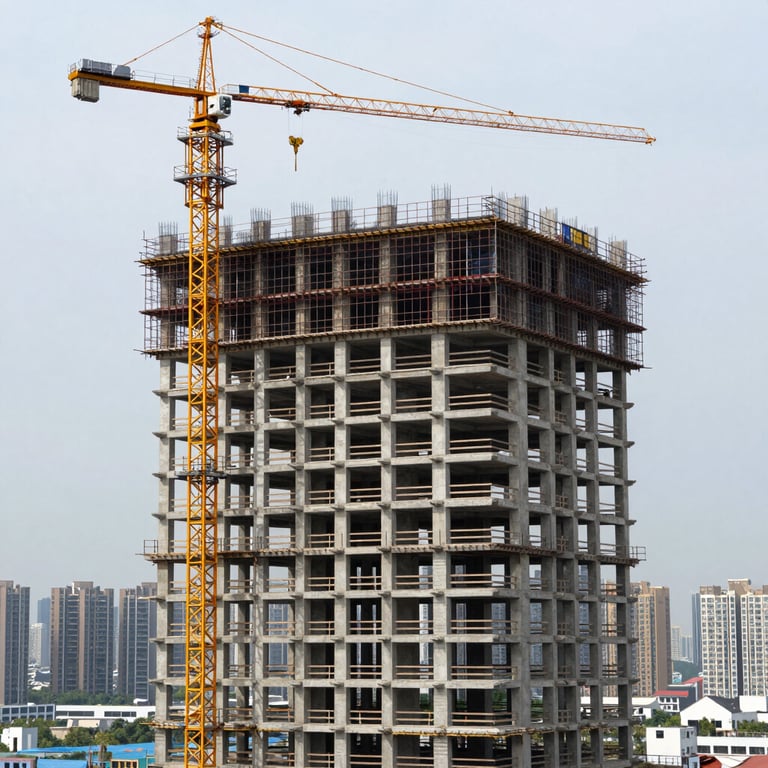
In high-rise construction, standard deep beams eat up valuable vertical space. If you can shrink the thickness of each floor's structural slab and beams, you can claw back enough vertical clearance to add an entirely extra rentable floor within the same municipal height limits.
Architects hate structural engineers who ruin their beautiful open-concept designs by placing thick columns right in the middle of a grand lobby, an open office layout, or a luxury living room.
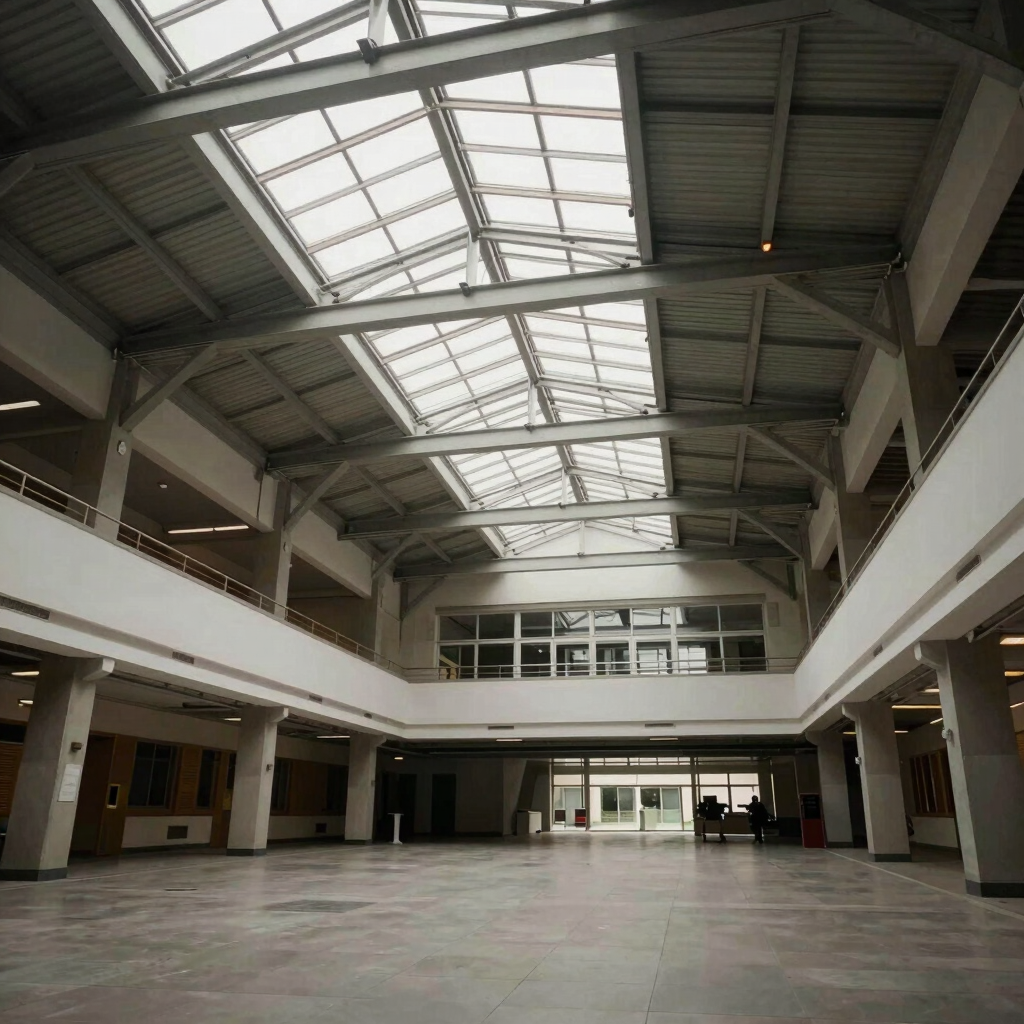
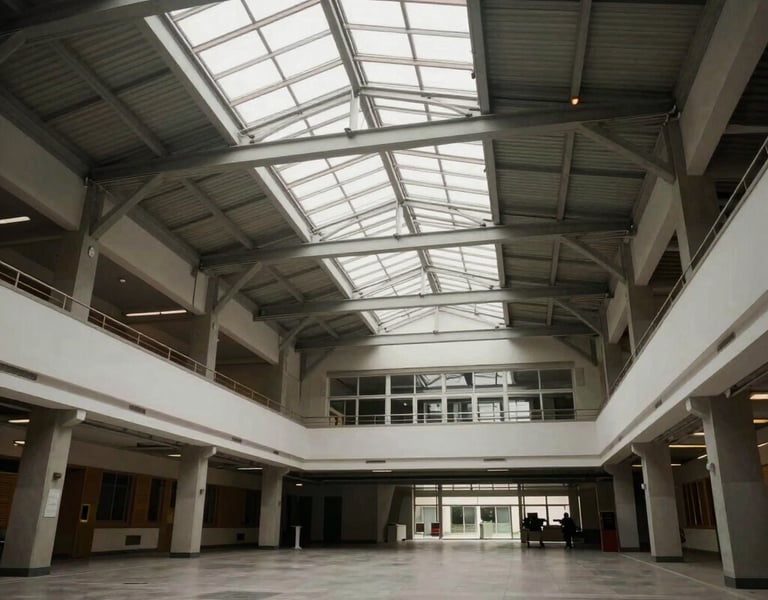
You can achieve a 12-meter clear span without deep drop beams by utilizing hidden flat-slab systems. Keep your interiors completely seamless. Input your clear span, and we’ll show you how to hide the structure inside the architecture.
Every month a project sits under construction, the developer loses money on interest and delayed sales. Structural system choices dictate the speed of the entire project.
Defaulting to traditional concrete framing will delay your finishes by 90 days. Switching to an optimized composite steel or aluminum formwork layout can shave 3 months off your structural cycle, saving you in carrying costs. Let's design a speed-optimized framework.
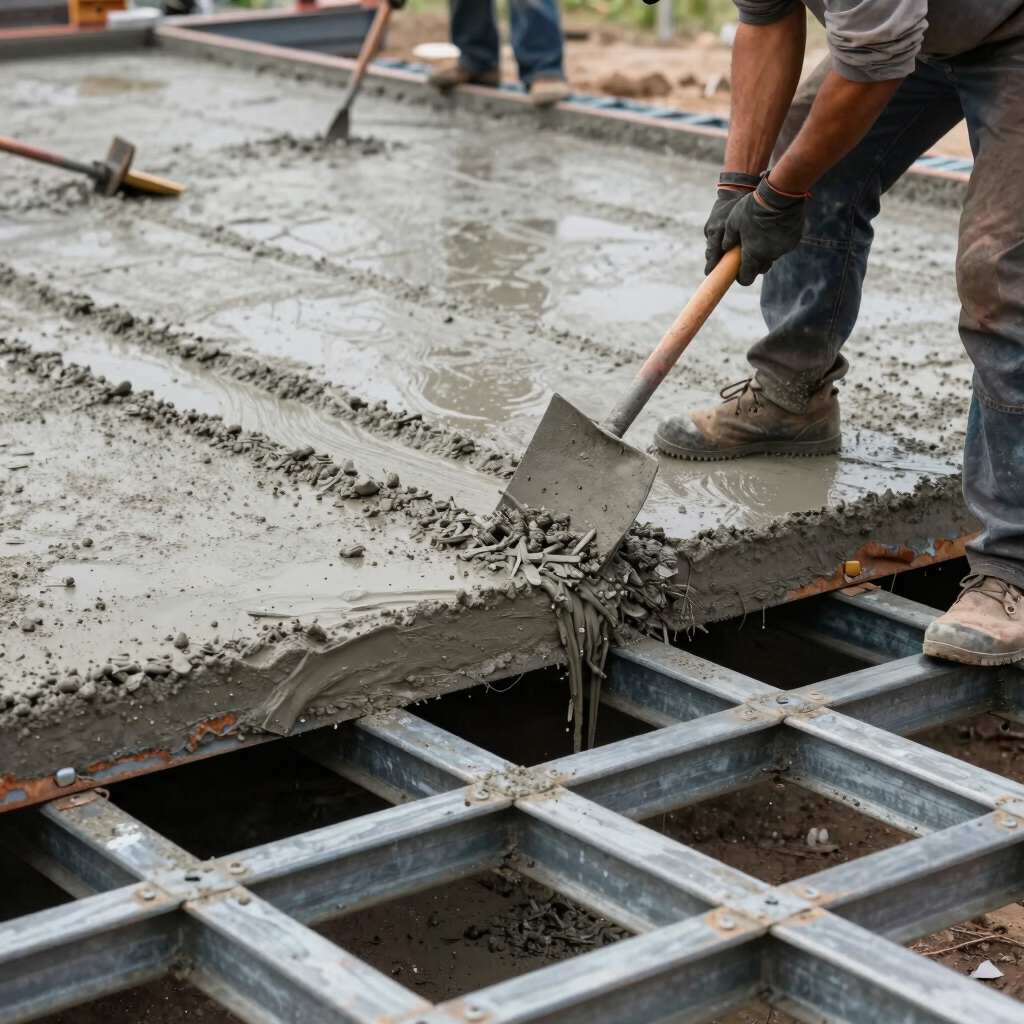

Architects love knocking down walls to create open kitchens or adding a steel floor on top of an old building, but they live in constant fear of causing structural cracks in an existing property

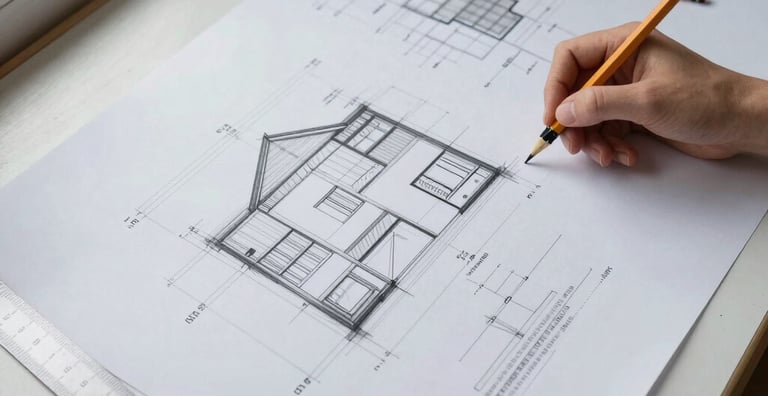
Altering internal structural walls or adding terrace loads requires load-transfer framing to avoid legal and safety risks. Protect your design liability—let us look at the original building plans for a quick structural sanity check before you pitch to the client.
Inefficient structural designs waste massive amounts of concrete and steel. Find out how much money we can extract and save from your current Bill of Quantities (BOQ).
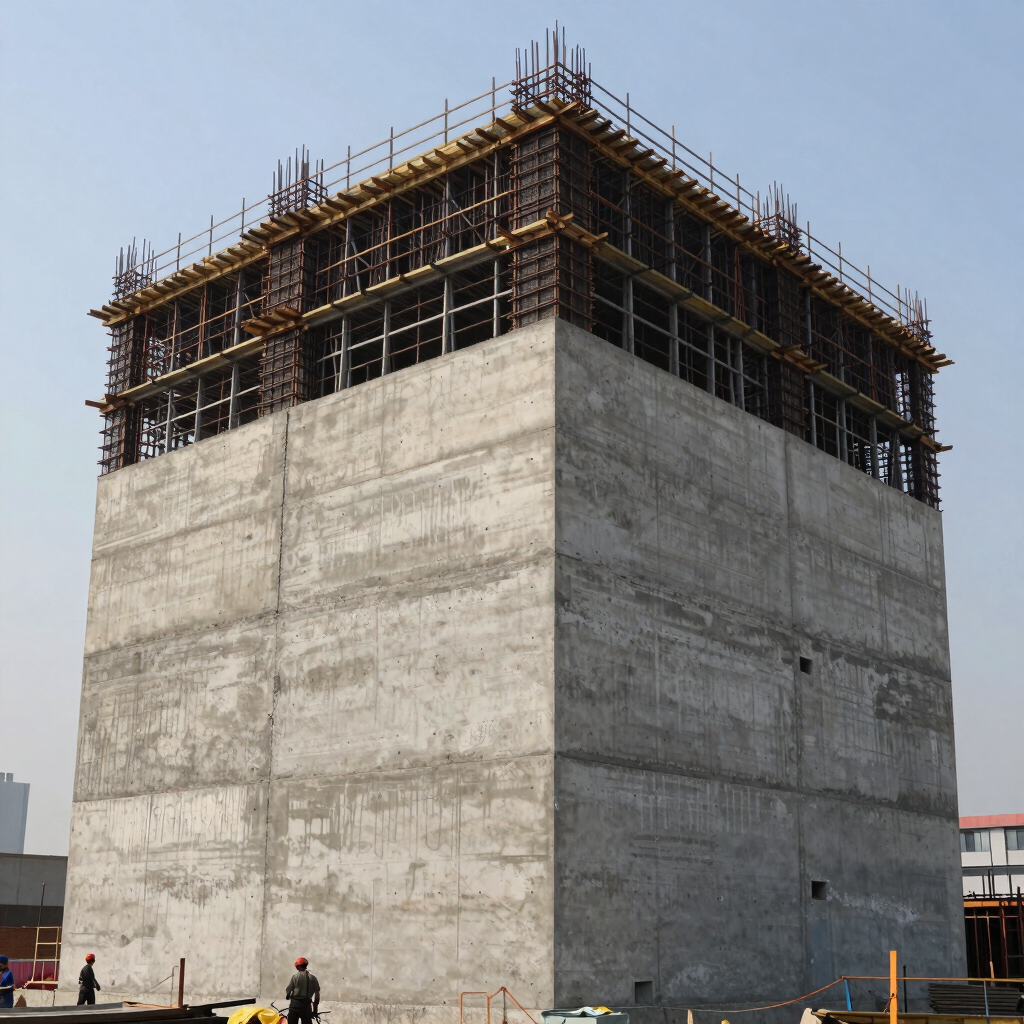
Traditional designs are often highly over-engineered. Smart value engineering can safely trim excess material, putting thousands back directly into your profit margin.
Architects love designing dramatic, deep, floating balconies or dramatic overhangs. Now you can have a look at the possible structural system for your cantilever span helping you in preliminary design phase.


Smart engineering can safely trim excess members and give a minimalist and modern look to your cantilevers just like your renders without any hinderance. A preliminary structural system offering you a path in freedom of designing and dreaming.
You frequently run into a major design trap: when floor-to-floor heights are adjusted late in a project to clear heavy service ducts (HVAC/MEP), the staircase or accessibility ramp run must expand instantly to remain legal under local building codes.
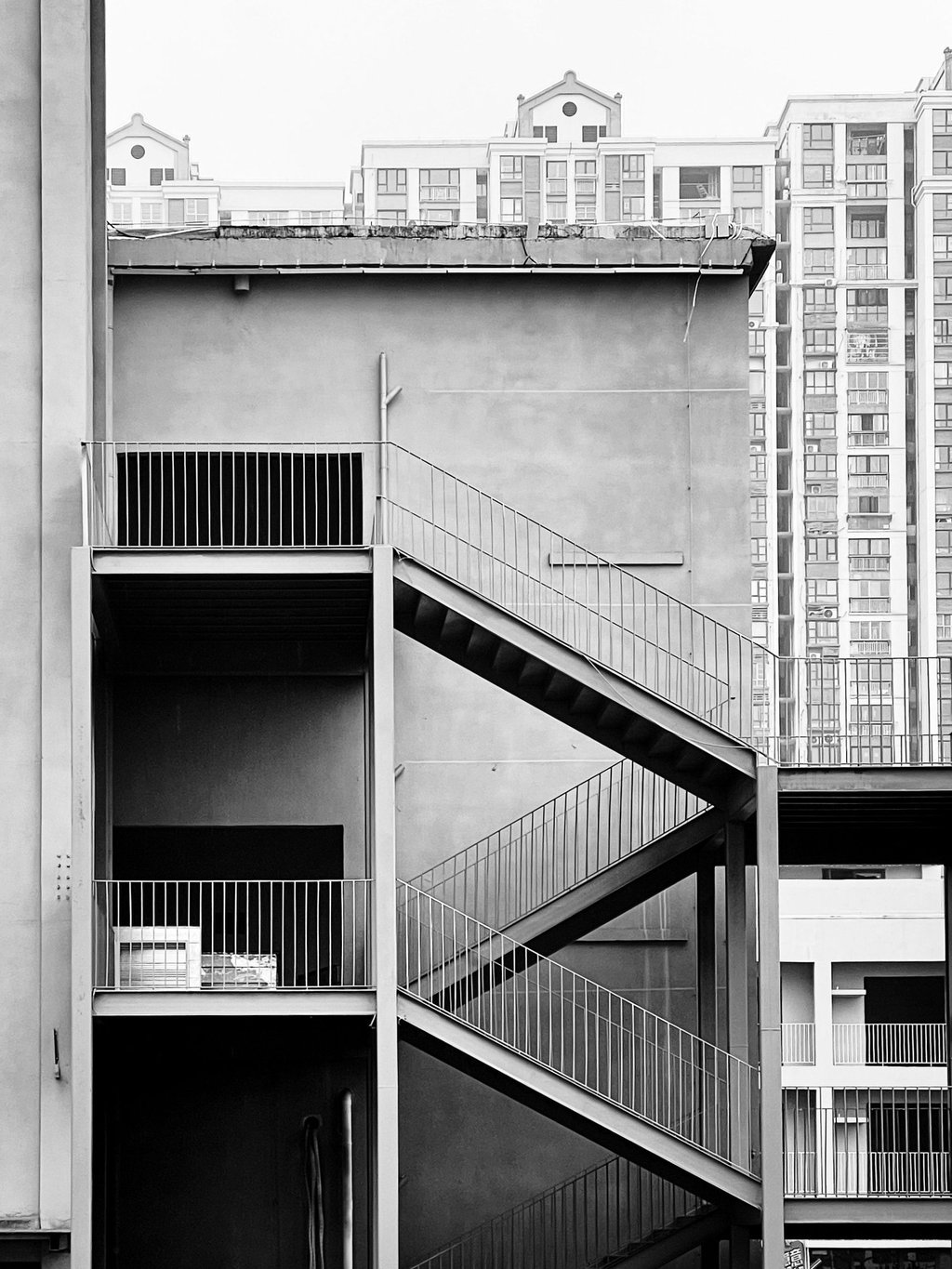

This tool instantly tells you how long your staircase or ramp needs to be based on their vertical height targets, ensuring it actually fits within their floor plan.
Traditional, over-designed structural layouts silently bleed capital through excess concrete and inflated steel counts, forcing architects and developers into budget compromises.


We turn structural blueprints into a profit recovery tool. Through rigorous engineering auditing, advanced bar-bending schedule optimization, and localized market pricing alignment, we safely trim structural costs by 8% to 12%—instantly returning lakhs to your bottom line without compromising building safety